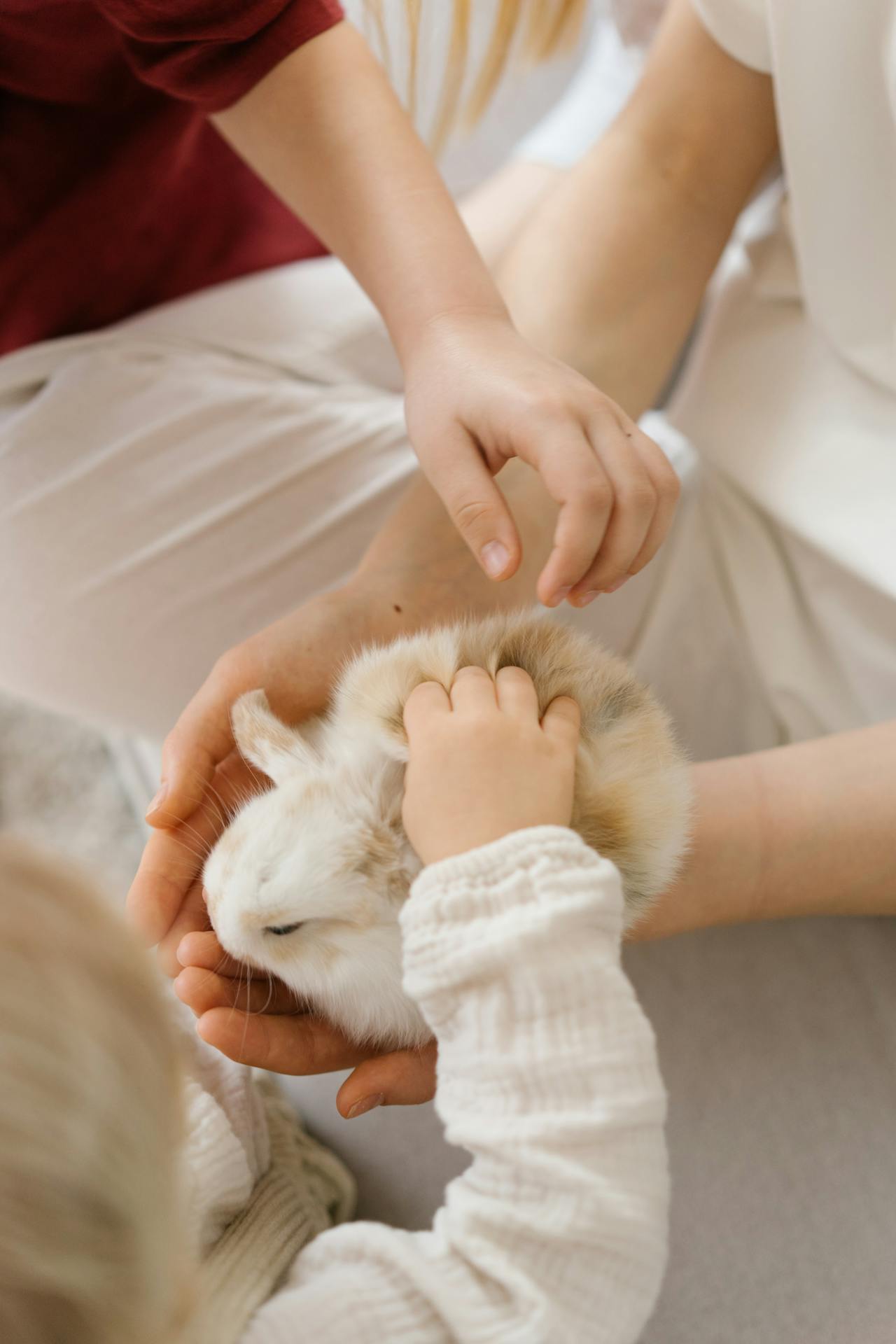
A child’s bond with a pet is often their first experience of caring deeply for another living being. This connection teaches patience, empathy, and responsibility in a natural and heartfelt way. Love for pets helps children understand emotions, respect boundaries, and develop kindness through everyday moments that feel genuine rather than taught. Whether it’s a dog wagging its tail or a quiet cat curling up nearby, these small interactions leave lasting impressions on a child’s heart.
How Children Experience Love Through Pets
Children often see pets as friends, listeners, and loyal companions. Talking to a pet, playing together, or simply sitting quietly builds emotional comfort and trust. Through these interactions, children learn that care is shown through actions like gentle handling, attention, and consistency. Pets respond honestly, which helps children understand emotional cues and non-verbal communication. A pet’s excitement, fear, or need for space teaches children awareness and respect in a way words alone cannot.
What Caring for a Pet Teaches Kids
Looking after a pet introduces important life skills early on. Feeding, grooming, and maintaining routines help children understand responsibility and commitment. They learn that living beings rely on them, which builds confidence and accountability over time. Even simple tasks, like refilling a water bowl, show children that their actions matter. These lessons become even clearer when supported by moral stories for kids that focus on caring and responsibility, helping children connect real-life experiences with thoughtful storytelling.
Emotional Benefits of Pet Companionship
Pets offer comfort without judgment. For children, especially those who feel shy, anxious, or overwhelmed, animals provide a safe emotional space. Spending time with a pet can reduce stress and encourage calm behavior. Children begin to recognize emotions like happiness, concern, and sadness through a pet’s reactions, strengthening emotional awareness. This emotional connection often helps children feel less alone and more understood, especially during times of change or challenge.
Building Empathy Through Daily Interaction
Daily interaction with pets naturally builds empathy. When a child notices that a pet is tired, hungry, or scared, they begin to consider needs beyond their own. This awareness encourages thoughtful behavior and patience. Over time, children learn that empathy isn’t just about feelings, but about responding with care. These lessons often extend into friendships and family relationships, shaping how children interact with people around them.
Kindness in Everyday Moments
Care for animals teaches kindness through small, repeated actions. Children learn to be gentle, patient, and attentive without being instructed to do so. These habits often carry over into school and social environments. Many parents notice that children who grow up with pets show greater sensitivity toward others, a lesson also reinforced in teaching kindness to kids through simple stories and examples. Kindness becomes a habit rather than a rule.
Learning Responsibility Without Pressure
Unlike structured lessons, caring for a pet feels meaningful rather than forced. Children see the direct result of their actions, such as a happy pet after playtime or a calm animal after gentle care. This teaches responsibility without pressure or fear of failure. Mistakes become learning moments, helping children understand growth and accountability in a supportive way.
Using Stories to Reinforce Care and Empathy
Books featuring animals and pet relationships allow children to reflect on their own experiences. Stories show characters caring for animals, making mistakes, and learning from them. This helps children process feelings like loyalty, concern, and even loss in a gentle way. Reading together opens conversations about respect, patience, and emotional care without overwhelming children.
Helping Children Build Healthy Pet Relationships
Parents play a key role in guiding positive interactions with pets. Involving children in age-appropriate care, setting boundaries, and explaining animal behavior helps children see pets as living beings rather than toys. Talking about what pets need and how they feel builds respect for animals and nature. These conversations encourage long-term understanding and compassion.
Long-Term Impact on Child Development
The lessons learned from caring for pets often stay with children into adulthood. Responsibility, empathy, and patience shape how children approach relationships and challenges later in life. A child who learns to care for an animal often grows into an adult who values kindness, consistency, and emotional awareness. These qualities support healthy relationships and thoughtful decision-making.
Conclusion
Love for pets offers children lessons that go far beyond companionship. Through daily care, emotional connection, and shared routines, children learn responsibility, empathy, and respect in a natural and lasting way. Encouraging this bond helps children grow into kind, thoughtful individuals who understand the importance of caring for others, both human and animal alike.
FAQs
At what age can children start caring for pets?
Children can begin simple pet care around age 3 with supervision, gradually taking on more responsibility as they grow.
How do pets help with emotional development?
Pets help children recognize emotions, practice empathy, and feel comforted through consistent companionship.
Can stories about pets reinforce these lessons?
Yes, animal-focused stories help children reflect on care, kindness, and responsibility through relatable characters.
Should children be involved in daily pet care?
Age-appropriate involvement builds confidence and teaches responsibility without pressure.
Can caring for animals improve social skills?
Yes, empathy and patience learned through pets often support healthier social interactions.