


Are you tired of dog breeds that may look cute but come with frequent health problems, difficult temperaments, or demanding grooming needs? Choosing the wrong small dog can lead to disappointment, high veterinary bills, and ongoing stress. In exploring Papillon pros & cons, you’ll find that this charming breed stands out for all the right reasons. With their butterfly-like ears, friendly nature, and eagerness to please, Papillons are intelligent, devoted, and surprisingly low-maintenance—making them a fantastic option for owners seeking the joys of toy breeds without the typical drawbacks.
The Papillon is a large character dog, despite its size. These dogs excel in training, obstacle courses, and interaction with people due to their appealing physique and abundant energy. These dogs are originally from Europe and are fast learners, adoring human company, and can adjust to smaller living areas. Here, you will learn about the fantastic characteristics of Papillons including Papillions pros & cons , their grooming procedures and what is pleasant and difficult about owning them with their actual advantages and disadvantages. Whether you have never had a dog before or you are simply curious about this breed, we will help you figure out whether the Papillon is what you are interested in.
Papillon Pros & Cons
1. Space-Saving and Apartment-Friendly
Animals of this breed typically range in height from 8 to 11 inches and 5 to 10 pounds. They are small and thus suitable pets for people with limited space in their homes. Small dogs are easy to
manage and can fit under aeroplane seats; hence, travellers and dog lovers usually choose to travel with them.
2. Very Smart and Trainable
The AKC has ranked Papillons 8th out of 197 breeds in terms of intelligence, indicating that they are not only innovative but also enthusiastic about learning. They are fast thinkers; hence, they learn their commands quickly, and this keeps them busy with their minds.
3. Loyal, Affectionate Companions
These dogs are created to be lap dogs, which is easy to see. Papillons are truly loyal, ready to show their affection all the time. Unlike a few toy breeds, this breed is likely to be friendly with a family rather than with a single person alone.
4. Great with Older Children
Papillons and children can form a good relationship despite their fragility. They feel fun during interactive games like hide-and-seek, and are friendly as well. Supervise toddlers carefully to avoid accidental injury.
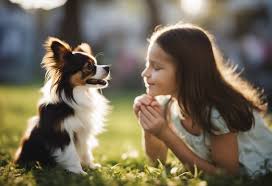
5. Low-shedding and Easy Grooming
Despite their silky coat, Papillons don’t shed much. A quick brush 2–3 times a week keeps their fur looking fresh. They also require minimal bathing unless they’ve gotten filthy.
6. Generally Healthy Toy Breed
Papillons tend to be healthier than other small dogs. They were primarily bred with function and long existence in mind, not just physiognomy. Proper care can make them live up to 15 years or more. The most common issues are dental disease and patellar luxation.
7. Active and Adventurous
Although they tend to be small, Papillons possess a lot of energy. They prefer to walk, hike, and play as much as possible. For people who are always on the go, they’re ideal small dogs that won’t get left behind.
6 Cons of Owning a Papillon
1. Excessive Barking
Papillons are innately watchful and will give the alarm at the slightest noise. They may have anxiety about isolation, particularly when they are left alone frequently. Without training, barking can become a serious issue.
2. Very Attention-Seeking
These dogs crave human interaction. If left alone for hours, they may become destructive or depressed. They’re best suited for individuals who work from home or are frequently present.
3. Moderate Upkeep (Despite Low Grooming Needs)
Grooming is simple, but their overall care regimen —daily walks, mental stimulation activities, and play sessions — can occupy a decent amount of time. When they are not attended to, they become bored and this can result to destructive behaviour.
4. Fragile Frame
Papillons are toy breeds and are likely to get hurt if they are handled roughly or are involved in accidents. Parents should only let young kids around them when supervision is close.
5. Can Be Expensive
Yes, Papillons can be expensive, with prices ranging from $1,000 to over $4,000 depending on pedigree and breeder reputation. Their cost also includes grooming, healthcare, and training expenses.
6. Not Good for Long Hours Alone
Papillons are instinctively watchful and will give the alarm at the slightest noise. They may become anxious when isolated, particularly when isolated excessively.
Conclusion
If you want a dog to enjoy a home life in a smaller space or hope for an intelligent, charming, and affectionate friend with a lot of love, Papillons are a great choice. These pets are attractive to people because they require little grooming and are generally healthy. However, they require much care and regular mental stimulation and can not be left alone over a long period. They are quite sensitive, and it’s probably not a good idea to have them live in a house with very young children. Owning a Papillon can make you happy, even in the future, provided you are ready to spend your time, care, and friendship.
FAQs : Papillon Pros & Cons
1. Do Papillons need a yard?
No yard is necessary. They are easy to keep in apartments, provided that these dogs are walked and given indoor exercises every day. However, a safe outdoor space is a bonus for their curious nature.
2. Are male or female Papillons better?
Both sexes make excellent companions. The two sexes make great pets. Males tend to be more loving and lively, while females are self-sufficient and focused on goals. Either it is a matter of choice or character.
3. How much exercise does a Papillon need daily?
Papillons are active despite their size. They require a minimum of 30 to 60 minutes of physical activity daily, which may include playing, walking or swiftness training.
4. Can Papillons be crate trained?
Yes, papillons can be trained. They are responsive to positive training.
5. Do Papillons like to swim?
Some Papillons have an affinity for water, whereas some are shy of it. They are small and should not be left unattended around the pools or deep water. Never leave unattended or use a doggy life vest as needed.
One thought on “Papillon Pros & Cons: 9 Facts You Need to Know”